
Everything You Need to Know When Booking a Cottage Holiday
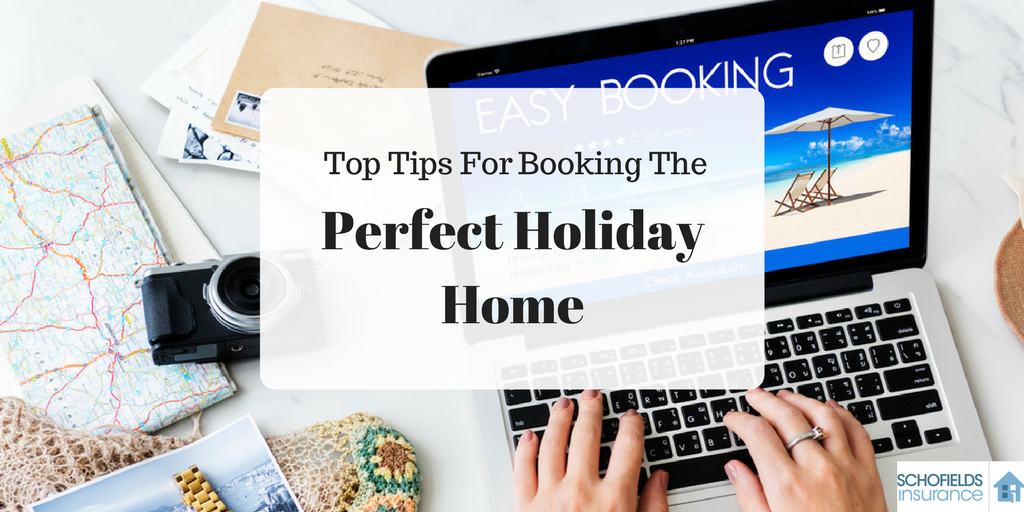
Ensuring we make the most of our holiday starts long before we check in. Just because you found what appears to be the perfect holiday cottage, it doesn’t mean your holiday will be trouble-free. When holidays go wrong, it’s usually down to poor research and planning.
So how do you avoid being disappointed? Follow our guide on booking the perfect holiday cottage.
Book well in advance
You can never book too early when renting a holiday cottage, especially if you want to stay during the high season which includes July, August, Christmas and New Year. It’s common to find the best quality holiday cottages booked up 12 months in advance by repeat guests. Start looking as early as possible to secure your dates, especially if you can’t be flexible on dates and location.
Check reviews
As listing sites and some booking agents do not manage holiday cottages or make individual inspections, it’s down to you to research the property and host. Reviews from previous guests generally give you a decent indication of what you can expect from your stay. It’s essential that you check the holiday let reviews, even if you’re dealing with a booking agent you’ve previously used.
Look out for one and two-star ratings, and if the same complaints keep arising, such as poor cleanliness and Wi-Fi, this is not a good sign. When looking at reviews, often the default sorting order is “recommended” or ” most relevant”. Always change it to “newest” as this will highlight any recent problems. If you are booking via a listing site, look for Superhosts (Airbnb) and Premier Partners (Vrbo). This status recognises closely vetted owners and property managers who consistently deliver great traveller experiences.
Read the listing thoroughly
Hosts and property managers naturally want to make their advertising as appealing as possible to maximise bookings. This doesn’t mean they will be making anything up, but what it does mean is that it’s down to you to check things through before making a booking.
Is the property only meters from the beach, and is the local pub really a 5-minute walk? A quick check of the property on Google Maps can confirm the accuracy of the listing and highlight potential issues. The busy pub next door might be bearable for a few days, but the daily noise can become annoying.
It’s your responsibility to research the property and the location. If a seafront view is essential, but the description clearly states that the property is located a few streets away from the beach, don’t book it. Likewise, if you want to be near a pub, but the property is rural and 5 miles from the nearest one, you can’t complain if it was right there in the description.
Also, don’t assume something will be available unless it is listed. For example, a parking space is a top priority for many guests, but don’t assume there will be a private drive to park unless it is listed.
Scrutinise the booking terms and conditions
Make sure you study the terms and conditions before booking a holiday cottage. These should be displayed at the booking stage, so you can ensure there won’t be any hidden surprises.
The terms and conditions can help you identify any extra charges (such as pool heating, security deposit, extra cleaning fees) and the rules, such as your cleaning obligations or check-in/out times.
Check the cancellation policy
You could forfeit your deposit, a percentage or the full amount of your holiday if you cancel the booking. Reading the cancellation and refund policy before booking means you know what to expect in the unfortunate event you are unable to travel for your holiday.
To protect against the unforeseen, it’s a good idea to take out travel insurance in case you have to cancel your booking.
Are pets allowed?
The holiday cottage may accept pets, but check the owner’s pet policy beforehand. There are likely to be rules, such as the number of pets allowed, the areas in the house where the pets are not allowed, and that pets can’t be left alone in the cottage. These rules may be a deal-breaker for some guests.
Clarify what’s included
It’s important to clarify what’s included in your holiday cottage before you arrive, as some holiday homes will endeavour to include all the essentials you’ll need, such as a welcome pack, cleaning supplies, etc. However, others will expect you to bring items like your own beach towels.
Don’t get caught out by failing to check the amenities list for essential items like a washing machine, a cot, highchair and stair-gate if you have small children. All holiday lets are not created equal.
Ask questions
So many people book their holiday without having all the information they would ideally want. In most instances, this works out for them, but many problems that guests encounter could be prevented with effective communication.
There is no substitute for the peace of mind gained by asking questions or making a simple phone call to the property owner or manager. You can ask questions and get a much more personal and/or reassuring answer, as well as ensuring the owner is genuine and letting them know you are too.
A good agent or owner will be more than happy to share their knowledge and answer any questions you may have, and if they aren’t, then do you really want to stay in their property?
Who is your contract with?
Is it with the agency you booked with, or with the property owner? Make sure you read the fine print to clarify this in case of any potential disputes. There are lots of instances when holidaymakers complain about a property to the booking agent, but their response is that the contract is with the owner, so speak to them, not ideal.
Pay on time
The best holiday homes get booked up quickly, and until you pay, the booking is not secured. If the owner has given you a time frame to pay the deposit, then stick to it as you don’t want to lose your holiday to someone who can pay quicker.
The same applies to balance payments, pay on time.
Be cautious when paying
If booking via a listing site, e.g. Airbnb, always book and pay on their site by credit or debit card. If payment is made outside of Airbnb’s secure payment system (such as a bank transfer), Airbnb isn’t responsible if you are scammed.
If booking directly with the cottage owner, paying by credit card is the most secure option. If the owner insists on a bank transfer, follow this advice to ensure it isn’t a scam.
Be courteous
Remember that holiday cottage owners are often not large, faceless companies, but individuals who are letting their most valuable material possession to strangers. Owners of popular properties have the luxury of choosing from multiple booking enquiries, with many selecting guests who are likely to be less demanding.
Be polite in your communications. First impressions count, and owners are looking for the least amount of hassle possible. By conveying yourself as an easy guest, you are improving your chances of securing the booking.
Should you book via an agency or with the owner direct?
There are pros and cons to booking through an agency vs direct. Booking through a reputable holiday cottage letting agency can offer security as properties are usually thoroughly scrutinised to meet a high standard of quality and safety.
An agency typically ensures a customer service representative will be on call 24/7 to sort out any problems, plus there is likely to be a complaints procedure in which you can voice your opinion should you have a problem with the property.
However, booking with the owner direct shouldn’t be disregarded as they can also offer the same service and are often the cheaper option. Despite this, you should still research and compare prices and the whole package. Not all holiday home owners are equal, some are inexperienced ‘accidental holiday let landlords’ who have jumped on the staycation boom bandwagon.
How to save money when booking a holiday cottage

Everyone wants to save money when booking a cottage holiday and get the best deal. There are certain ways to approach holiday cottage owners that will increase your chances of getting the dates you want and the lowest price.
Fill a gap or book last minute
Booking ‘infill’ days between two bookings, which the owner may be struggling to sell, improves your chances of getting a discount for the dates.
Likewise, booking a few weeks in advance can save you money as owners will often offer late deals.
Stay longer
The longer you stay in a cottage, the lower the rate often works out per night. This is because longer stays generally make owners’ lives easier as there is less admin and changeover work involved for a 7-night booking compared to several 2-night stays.
Prices may vary on different sites
Never book a holiday cottage until you’ve checked whether the same property is available for the same dates on another site. Cottage owners often list their property on multiple booking websites and with several agents, so prices can vary.
Can you book direct for a better deal?
If you find the perfect holiday cottage on a listing site, the chances are it’s also available to book directly with the owner, too. Usually, it will be cheaper as there won’t be any commission fees.
To find the owner’s own website, search for the property name and location. Also, keep an eye out for special offers or late deals promoted via social media.
Check for additional fees
Listing sites and booking agents often add pet, cleaning and other fees to the initial low headline price. These fees can add hundreds to the overall price of your holiday, so make sure you are comparing all the costs when you are deciding between two properties.
Look for properties that are new to the market
New owners will be looking to build their bookings and may offer a discount to give their property an initial boost on the listing sites and get reviews.
Check for local events
Check if there is a popular local event, such as a festival or sporting event, during the date you are looking at. If you’re not attending, you may be paying a premium to stay during the event.
Don’t automatically expect a discount
Some holidaymakers think they can haggle on price and get a discount when booking a holiday cottage. Many properties offer 5-star service, and quite rightly, they will charge a premium for it too. You can’t expect the highest quality for the lowest price. If you are just looking for a cheap holiday let, then book a cheaper property.
Discounts are at the discretion of the property owner and booking agent. The basic laws of supply and demand apply to holiday lets. There are 52 weeks available in the year, and owners need to maximise bookings and income throughout high and low seasons.
Don’t expect a deal in the low season as margins are low due to extra heating costs and low rates. The property being empty could be more financially advantageous rather than offering a heavy discount just to get a booking, but making a loss.
Many established owners also have the opinion that discounting attracts ‘high maintenance’ guests who don’t respect the property.
Be polite
Don’t ever send an enquiry with: ‘what’s your best price’, ‘will you accept £x’, ‘we only have a budget of £x’ or ‘we are pensioners, can we have a discount’. Nothing will irritate an owner more, and your enquiry is likely to be ignored.
How to behave when renting a holiday cottage

You are staying in what is likely to be one of the owner’s most valuable material possessions. It’s therefore imperative that guests treat the holiday home with the utmost respect and don’t break any fundamental rules. This will improve your chances of being welcomed back, getting your security deposit refunded, and not being hit with extra charges.
If you booked via Airbnb, hosts can rate you and provide feedback on your stay. Other hosts will use this feedback to vet you, and if you have a low rating, your booking request may be declined.
With this in mind, here are our tips on being the absolute best guest you can be.
Check for any issues in the property on arrival
To avoid disputes about who is responsible for damage further down the line, take a few moments to inspect the property on arrival. Make notes and take photos, and video any problems or damage to the property. Inform the owner or agent immediately so that you are not held responsible for the damage.
Don’t:
Over‐occupy
If the holiday home is advertised as a 3-bedroom property for 6 people, then it sleeps 6 people. Don’t ask the owner if you can bring extra people who will sleep on the settee. Nor can you just turn up with 7 guests and think it´s ok to squeeze one more guest in. The owner has the right to refuse entry to the extra guests, as per the booking terms and conditions.
In certain countries, owners must declare to the tourist authority the details of the guests who are staying. Over-occupancy can have implications for safety, insurance, licensing, plus extra costs, wear and tear.
Abuse the property
Similarly, when a listing states the property is ideal for families, don’t book for a group who intend on throwing a party in the holiday cottage. Property owners have every right to refuse to rent their property out for things like hen and stag dos, as the chances are that wear, tear and damage will be much higher for this kind of stay.
Ignore communications from your host
Most of the information and instructions you need will be sent to you in advance of your stay, so be on the lookout for incoming communication. Calling your host for the Wi-Fi password or asking how the heating works when the instructions have already been provided is a huge annoyance.
Also, be open and honest with the host. For example, if the host doesn’t allow unregistered guests to visit, that doesn’t mean there isn’t room for exceptions. Ask your host if it would be ok for a friend to visit for the day, don’t just assume it’s ok.
The owner will also appreciate it if you inform them if there is a problem, something doesn’t work or is missing, so they can resolve the issue.
Ignore the house rules
If the owner doesn’t allow dogs, it may be because a family member has an allergy to dogs, so don’t sneak one in. If they ask you to take the rubbish out or load the dishwasher prior to your departure, do so. Rules are typically there to make the hosts and the cleaners’ lives easier and prevent damage.
Try to hide damages
Sometimes things get broken and stained, accidents happen. If you tell the property owner or agent, ‘I’m really sorry, but I broke a plate, and I am sorry,’ nine times out of 10, they are going to say, ‘don’t worry about it, it’s not a big deal’. They will appreciate you being upfront, as this allows them to repair or replace items before future guests arrive.
However, this depends on the severity of the damage. If it’s due to negligence, such as using the white towels to dye your hair or dragging furniture across a wooden floor, then be prepared to pay for the repair or replacements.
Arrive early or overstay your welcome
Don’t assume that the cottage will be available whenever you choose to arrive unless you have cleared it with the property manager first. Arrive no earlier than the stated time, as the owners have just a few hours after the previous guests depart to prepare the cottage to the high standard that guests expect. The same applies to checking out on time.
Leave food in the fridge
Don’t leave part-used food in the cupboards or fridge, especially if they were clean and empty when you arrived. It creates extra work for the housekeeper who will have to remove it before the next guests arrive.
Waste energy
Utilities are likely to be one of the owner’s highest costs. Be mindful of saving energy by turning lights off when you go out, and if you’ve got the heating blasting, don’t leave the windows open.
Leave the property worse than you found it
Although the hire cost will include a cleaning fee, have a quick tidy up before leaving as per the check-out instructions. For example, taking out the rubbish or loading the dishwasher. If you leave a filthy oven with a dirty roasting tray in it or a sink full of washing up, you could be charged an extra cleaning fee.
Steal anything
Don’t take anything with you from the holiday cottage. This includes towels, coat hangers, batteries from the remote etc.
Be unreasonable when things go wrong
It’s inevitable that at some point, appliances will break down, the heating will fail, the toilet will block, and items will go missing in a busy holiday let. It’s just as annoying and unexpected for the holiday property manager as it is for guests. If you have a problem or complaint, give the property manager the opportunity to resolve the problem before you complain or start demanding a refund.
Don’t forget to leave a review
Reviews are the ‘lifeblood’ of the tourism industry and can make or break a self-catering cottage business. After your stay, leave a fair and honest review. Both holiday property managers and future guests will certainly thank you for it.
So, there you have it, some sensible advice to increase your chances of booking the holiday cottage you want and being the perfect guest.
Do you have any tips you would like to share? Please feel free to comment below.
2 Comments
Hi
I own a holiday house with pool in France and totally agree with this blog. We would consider offering a last minute discount but you are right – a filled week at any price is not necessarily better than an empty week, there are always costs associated with guests, including the wear and tear. Also good idea to look on the property’s availability calendar and offer to fill awkward gaps for a discount.
It’s also worth just keeping an eye out for discounts – follow their Facebook pages.
Hi Jo, Thanks for commenting.
Unfortunately some people have the opinion that any booking is better than having the rental left empty. This isn’t the case if it results in a loss or problems. There are certain ways guests can improve their chance of getting a discount, as demonstrated above.