
Tips for Effective Holiday Let Management
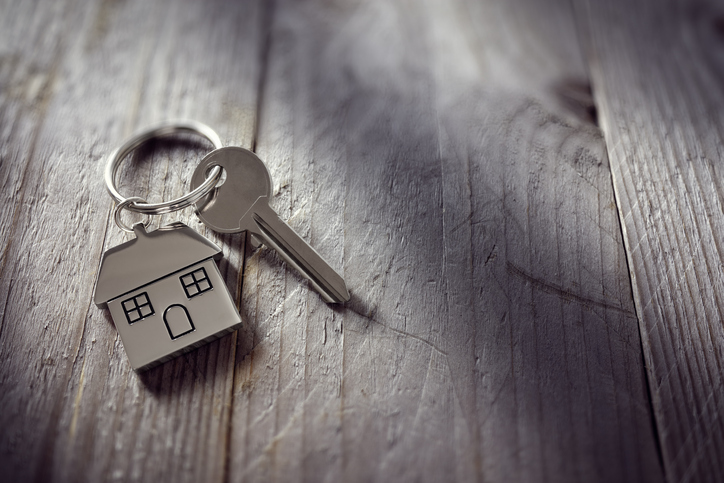
Renting out your holiday home and aiming to deliver a 5-star guest experience can be a challenge, especially when you live hundreds of miles away from the property. However, with the right tools and local help, you can successfully manage your holiday let without actually being physically present.
The benefits of remote holiday home management
Embracing remote holiday let management isn’t just about overcoming geographical constraints, automating tasks improves efficiency, enhances guest satisfaction and reduces costs.
Mastering remote management enables you to expand your holiday letting portfolio without being tied to a single location. You can live anywhere and scale your business.
Contactless check-in and check-out
Contactless check-in allows guests to arrive at a time that suits them, as they don’t need to meet anyone to gain access to the property. Contactless check-in can be done in a number of ways, but the most popular are key safes and smart locks.
Key safes
Key safes are essentially a lockbox that is securely fitted to the outside of your holiday home. Guests enter a combination code, which opens the key safe with the key inside.
However, one potential problem is that guests may leave your ‘secure’ code on full view once they open the box. Codes have to be set manually, and owners who don’t visit frequently might not change the code regularly. This could leave your property vulnerable to burglars who know the code if the same one is used for upcoming rentals.
Check with your insurance policy as to whether a key safe is acceptable. There may be specific warranties that you have to adhere to, such as changing the code after each rental, otherwise, a theft claim could be invalidated.
You should also consider adding a second key safe at your property. This can be placed in a hidden location and only revealed to guests in emergency situations if locked out.
Smart locks
Smart locks eliminate the need for keys or a locksmith if guests are locked-outor lose the key.
You grant or revoke access remotely with a unique code for a set period of time. This way, you can limit the guests ability to unlock the door to the duration of their stay or allow a tradesperson into your property for however long they need access.
They prevent unauthorised people from gaining access to your property, and you can track entry to see exactly who’s coming and going.
If there’s a problem, doors can be opened with a traditional key or by the owner remotely.
Each of these options enables you to give your guests access to your property without having to physically be there. Just make sure you provide clear instructions (a photo overview or video instructions), so your guests know exactly how to gain access. That way, you won’t be faced with any infuriated guests who are frantically trying to get into the property.
Build a reliable property management team
Providing a spotless and well-maintained holiday let is essential for guest satisfaction and positive reviews. Placing trust and delegating responsibilities to a capable team who are there to support your guests is essential for seamless operations.
Investing in good housekeeping will be one of the best investments you make to maximise the success of your holiday let, as any negative reviews about a dirty property will have a serious impact on bookings. Find cleaners who specialise in holiday cottages and understand the turnaround pace and attention to detail that guests expect.
Create a detailed changeover checklist to ensure cleaning is up to your standards and all tasks are complete. You can also use a cleaning app, such as Properly. The tool enables you to organise tasks and give visual instructions to your cleaner with photos of items or areas you want cleaning and staging. Your cleaner can also use the tool to report any guest damage and identify when items need replacing.
You’ll also need a reliable network of local contractors and service providers (e.g. a plumber, electrician, handypeople, gardner, hot tub servicing and locksmith) who you can rely on 24/7 when an issue arises. It’s your responsibility as a host to ensure problems are resolved quickly because your guests will expect nothing less.
You’ll also need a contingency plan for when something breaks or goes wrong.
-Power outage: where the fuse box is, backup lighting options
-Plumbing emergency: stop tap location
-Guest locked out: backup key, remote unlock if smart lock
-Don’t overlook the value of building rapport with good neighbours who can alert you if anything is amiss at your property and sometimes assist in an emergency.
Automate guest communication
Another way to streamline your remote property management is to automate guest communications. The key is to personalise your messages with the guest’s name and any details relevant to their stay.
Use automated templated messages to be sent at optimal times. For instance, a welcome message on day 2 checking they have everything they need, while checkout instructions might be sent the day before departure.
Use property management software
Reliable property management software enables you to streamline and automate tasks, such as:
-Create your own website and accept direct bookings
-Change listing descriptions and photos
-Synchronise calendars across multiple platforms to prevent double bookings
-Organise your messages from different booking sites into a unified inbox
-Create detailed reports to track revenue and expenses
-Implement dynamic pricing
-Coordinate cleaning and maintenance tasks
-Set up automated messages
Create a digital guest book
Provide guests with all the essential and important information they need to enhance their stay at your property. Includes things like information about the property, check-in and check-out procedures, favourite local recommendations and your house manual.
A digital guestbook can be accessed from any device at any time. Guests can access it prior to arrival, so they can plan their stay and when they are out and about. You can also create QR codes and place them strategically within your property. This allows guests to access the relevant information quickly, such as how to use the washing machine.
Here’s our guide on how to create the perfect guest information book.
Implement smart home technology
Installing smart home technology enables you to manage and monitor your property remotely, plus it also elevates the guest experience.
Here are a few ways to leverage smart home technology in your holiday let.
Smart thermostat
Smart thermostats (such as such as Google Home or Hive) enable you to manage and monitor your heating remotely via an app, whilst guests can also adjust the temperature to their comfort. You can turn on the heating a couple of hours before guests arrive, so they walk into a cosy, welcoming property.
Remotely managing the temperature is especially useful when properties are unoccupied during the winter months, when damp and freezing pipes can occur.
They are a great way to remotely control the thermostat between bookings and reduce energy costs.
Sensors
As technology advances, there is an increasing number of sensors to remotely monitor your home.
-Water leak sensors, such as LeakBot, monitor water usage and notify you if a leak is detected
-Connected smoke and carbon dioxide detectors are also essential for monitoring risks and remotely managing the devices
-Motion sensors can monitor for possible intruders when your property is unoccupied by alerting you when motion is detected
-Llikewise, sensors fitted to doors notify you when they are opened and if a guest forgets to close a window, you’ll know
Security cameras
Indoor, outdoor cameras and video doorbells are a great way to monitor and protect your holiday home when you aren’t there. Whenever somepone is detected, you will be sent a notification, so you can monitor and speak (on some devices) to people via your phone, tablet or PC.
However, installing indoor and external cameras isn’t recommended if you let your holiday home to paying guests due to concerns over privacy and laws. Only install them if your holiday home is just used by you and your family.
For security cameras, take a look at Ring or Hive.
Smart lighting
Smart lights can make it appear that someone is home when your holiday property is unoccupied by scheduling the lights to turn on and off. With automated lighting, you don’t waste energy if guests forget to switch off the lights when they leave, because you can turn them off remotely.
Noise monitoring
A hosts biggest fear is guests throwing a party where there’s a risk of property damage and alienating neighbours.
NoiseAware monitors the level of noise guests are making whilst staying at your holiday let. The system will send you an alert if noise levels are excessive, so you can investigate. You could also check your Ring doorbell footage to identify if a party is taking place.
Party Squasher enables you to monitor the number of mobile devices at your property. It then alerts you if the number goes above your limit. Useful if guests are using your property for a party or large gathering without your permission. Put a stop to it before it gets out of hand.
Minut monitors sound and excessive devices connected to the Wi-Fi network, hopefully giving an early indication of over-occupation or a party.
Although smart devices can be costly to install, they help reduce risks, improve guest safety, security, and reduce your costs in the long term.
To summarise
Coordinating turnovers, repairs and check-ins without the safety net of using an agent or being on-site may seem like a challenge, but it’s not as daunting as it seems. With the right tools and systems in place, you can be confident that your guests and property are taken care of.