
How to Avoid and Deal With Frozen or Burst Pipes
Each year, extreme winter weather and blasts of Arctic air send temperatures plunging for prolonged periods across the UK. Subsequently, thousands of unoccupied holiday homes are exposed to the risk of burst pipes and major water damage which can be catastrophic and a major inconvenience for you and your guests.
Below are some helpful tips to stop pipes from freezing, what to do if the pipes in your home freeze and how to minimise the damage in the unfortunate event of a burst pipe.
The cost of burst pipes
Escape of water damage is one of the most common types of home insurance claims in the UK. Even a small leak can cause a significant amount of damage to your holiday home and its contents.
A burst pipe can flood an entire home, leading to collapsed ceilings, waterlogged carpets, damage to electrics, furniture and significant structural damage that can leave a property uninhabitable for months.
According to the Association of British Insurers (ABI), escape of water accounts for one in four domestic property claims, with insurers paying out £1.8 million for it every day. The cost of an escape of water insurance claim averaged over £9,000, however, £100,000+ repair bills for water damage to the building, contents and drying out are not uncommon.
What causes frozen pipes and bursts
One of the biggest causes of burst pipes is cold weather. When temperatures drop below freezing for a sustained period the water in unprotected exposed pipes freezes and expands, leading to a build-up of pressure and subsequent rupture of the pipe. When the ice thaws the water floods out.
The risk of burst pipe damage has increased recently as holiday home owners try to save money on high energy bills by turning their heating on less when the property is unoccupied.
Although escape of water incidents peak in the winter months, they can occur all year round due to; corroding pipes in older properties, poor installation of pipes and fixtures, incorrectly plumbed-in appliances, radiator and boiler leaks.
How to stop pipes from freezing in an empty holiday home
If you’ve never suffered a burst pipe, then trust us, it’s not an experience that you’ll want to go through. As winter and sub-zero temperatures approach, safeguarding your holiday home’s pipes becomes crucial. Prevention is better than cure when it comes to burst pipes!
Over the years we have dealt with thousands of substantial burst pipe claims. Many of these could have been mitigated or prevented by following these simple tips to stop pipes freezing.
Turn your water off
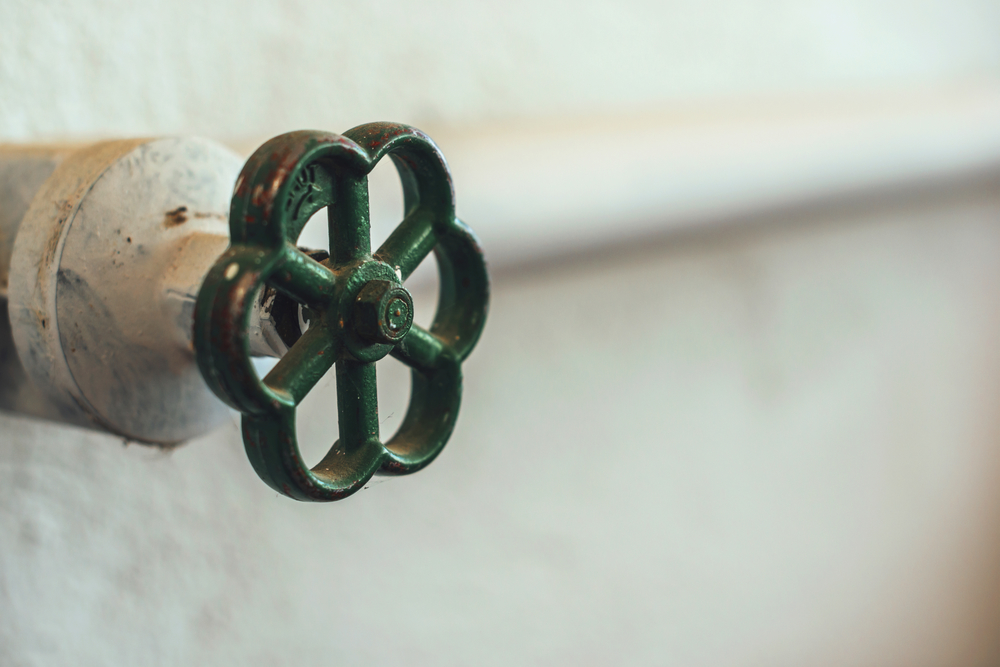
If you are leaving your holiday cottage unoccupied then turn off the water supply at the main stopcock. In one day, the equivalent of 48 bathtubs full of water (9600 litres) can escape from a burst pipe. This can be reduced significantly by simply turning the water off when you leave.
Do you know where your stopcock is located?
Everyone should know where their stopcock is located as you don’t want to be trying to locate it while your house is flooded with water gushing everywhere, and you have no idea how to stop it. It’s usually located somewhere on the ground floor, typically under a sink, the stairs or near the gas meter.
Test that you can turn the water off/on a couple of times a year to minimise your stopcock ‘seizing’. It’s essential that your property manager, cleaner and guests also have clear instructions on how to locate your stopcock in the event of an emergency.
If you can’t turn off your water supply in an emergency using the internal stopcock, you may need to use the outside mains water stop valve. It is usually located near the boundary of your home/driveway.
Here is a useful video from Thames Water to help you locate yours.
Most modern heating systems can still operate with the mains water turned off, so you can still heat your home. A qualified plumber should be able to give you advice about this.
Leave the heating on to keep pipes from freezing
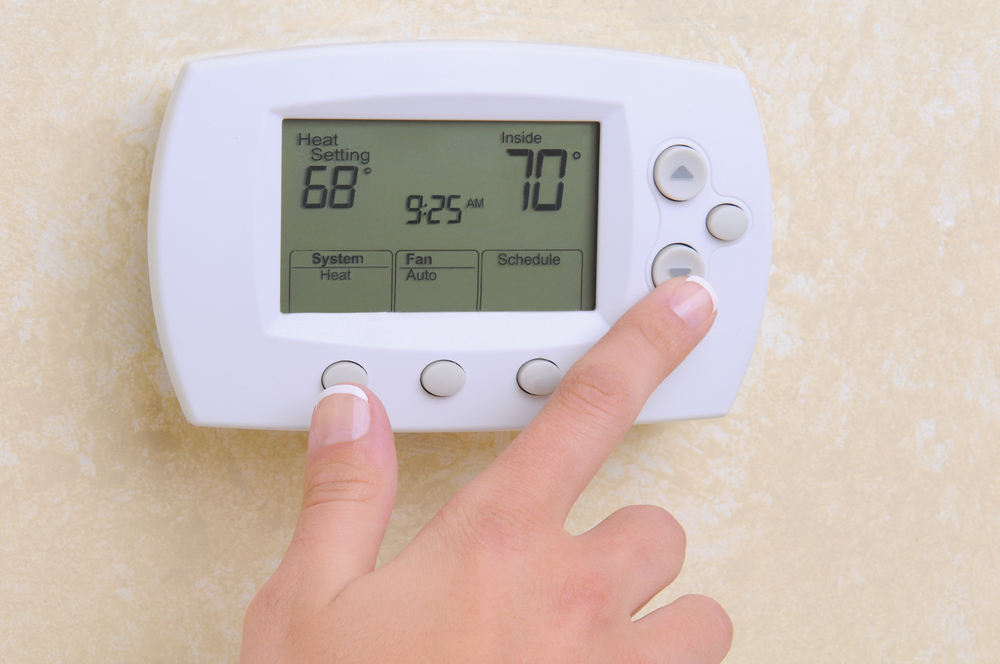
One of the main causes of frozen pipes is inadequate heating or switching the heating off completely when your holiday home is empty during cold snaps. While turning the heating off will save money in terms of fuel bills, it’s a false economy. Your home will be exposed to sub-zero temperatures and the devastating consequences of repairing significant damage should pipes burst.
Keeping the heating on means that water in pipes will remain at a constant temperature and should not get cold enough to freeze. When your holiday home is empty during winter it is recommended to leave the heating permanently on (to maintain a minimum temperature of at least 10 degrees C) to keep pipes from freezing.
Heating tips during sub-zero temperatures:
Electric storage heaters
During sub-zero temperatures, some types of heating systems, such as storage heaters do not provide a continuous level of heat that is adequate to prevent pipes from freezing. By only having the heating on a timer, e.g. a couple of hours in the morning and evening, water in pipes can freeze as the property is not suitably heated.
If you are not leaving the heating on to maintain a minimum temperature of at least 10 degrees C, then turning off the main stopcock is essential during freezing temperatures and when your holiday home is unoccupied during winter. This limits the amount of water that can escape should a pipe burst.
Frost-stat/guards
Using the “frost” setting (usually marked with a snowflake symbol) on your room/radiator thermostats may not keep pipes from freezing. If the frost-stat or room/radiator thermostats are set too low, then there is a risk that water pipes may already be frozen by the time the heating is triggered to come on. It is recommended to leave the heating permanently on to maintain a minimum temperature of 10 degrees C.
Oil and LPG gas-fuelled heating systems
If your boiler runs on oil or LPG gas, ensure that you have enough fuel to heat your holiday cottage over winter. You don’t want to run out of fuel and find your supplier is unable to deliver due to severe winter weather. If you run out of oil, ensure that the water is turned off at the mains stopcock and the water system is drained down. This should help prevent pipes from freezing.
Your heating oil supplier should also be able to tell you what additional precautions you should take during very cold weather to prevent oil gelling/freezing and blockages.
Ideally, you should have an alternative heating source as a backup should your primary heating fail.
Drain down
If you are leaving your holiday home unoccupied for a long period over winter or if your heating isn’t capable of preventing frozen pipes, then drain down the heating system and shut off the water supply so that there isn’t water in the pipes to freeze. Simply turning off the water is inadequate as there is still a lot of water in the pipes and tanks which can freeze and cause substantial damage if a burst occurs.
Get advice from a qualified plumber or heating engineer on how to drain down the water and central heating system to remove the threat of water damage entirely.
Also, flush toilets and put a healthy serving of salt down the toilet/sink to prevent water freezing.
Lag pipes and insulate
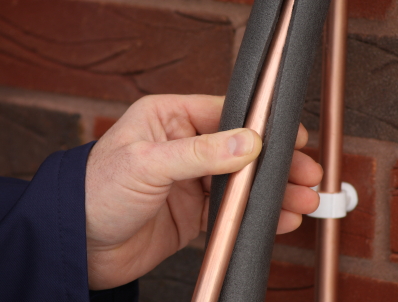
Pipes in unheated areas, especially the loft, garage, cellar or those fixed to the inside of external walls are the primary cause of escape of water claims. Pipes are often situated above insulation, leaving them exposed to freezing temperatures. Pipes should be appropriately lagged and insulated to stop them from getting cold to the point of freezing – the thinner the pipe the thicker the insulation should be.
Protect water tanks and cylinders
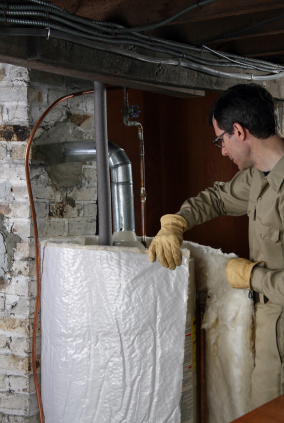
Although all new water storage tanks should be insulated, older ones will benefit from a hot water jacket. Don’t place loft insulation directly under header tanks though, as this stops heat rising from the house below which warms the tank.
Trace heating
If you live in an area where your pipes freeze regularly, a trace could be the solution. Fitting additional trace heating (where a low voltage electrical cable with a frost thermostat is wrapped around a lagged pipe to warm it during cold weather) is one of the best ways to prevent exposed water pipes from freezing.
Allow warm air to circulate in unheated areas
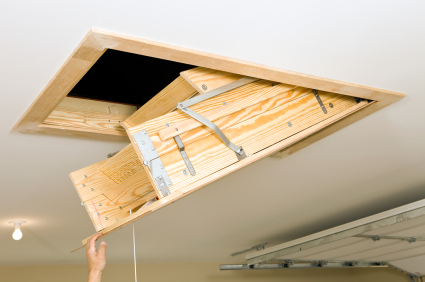
Our claims data found that water leaking from exposed pipes in the loft was the cause of most burst pipe claims. Primarily caused by insufficient warm air circulating into the loft because the insulation below the pipes was so effective.
In addition to lagging and insulating pipes, during freezing temperatures leave your loft hatch door open to allow the warmer air from your holiday cottage to circulate up and around the water tank and pipes. This may appear environmentally unfriendly and costly, but it might mean the difference between water cascading through the house and a dry one.
It is also a good idea to leave cupboard doors under the kitchen sink and bathroom cabinets open so that warm air can circulate around pipes that are exposed to the cold or fixed to outside walls.
Any areas that allow cold air into your property (especially in unheated parts of the property), for example around vents and pipes, should also be sealed.
Service your boiler
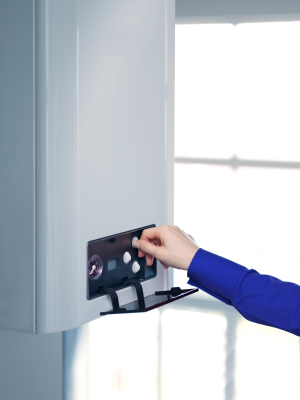
With no heating in your holiday cottage, the pipes are more likely to freeze. Get your heating system/boiler serviced annually (before winter) to help prevent boiler breakdowns during cold spells, to ensure it’s running efficiently and is safe. Check that the thermostat is working correctly and ask your heating engineer about any benefits of adding antifreeze to your heating system.
Prevent condensing boilers from freezing and breaking down
If you have a condensing type central heating boiler, take steps to prevent it from breaking down in freezing weather – just when you need heating the most. During very cold weather, the condensate pipe which removes steam and condensation from the boiler can freeze solid, causing the boiler to shut down.
To stop your condensing pipe freezing:
-insulate the pipe to protect it
-the shorter the amount of pipe outside, the better
-make the condensate waste pipe as large as possible with a vertical fall
-try to get a boiler with a syphon trap type of water release rather than a continual drip
Get smart
There are several ‘leak detection devices’ available that turn off the water supply if it suspects a leak and sends a leak alert to your phone. Some devices analyse water consumption and recognise abnormal usage trends – providing an early warning of water leaks. These can be extremely useful in detecting leaks before they develop into a serious issue.
You can also use a smart thermostat to remotely manage your heating during cold snaps and internal cameras to look for damage.
Don’t forget outside taps
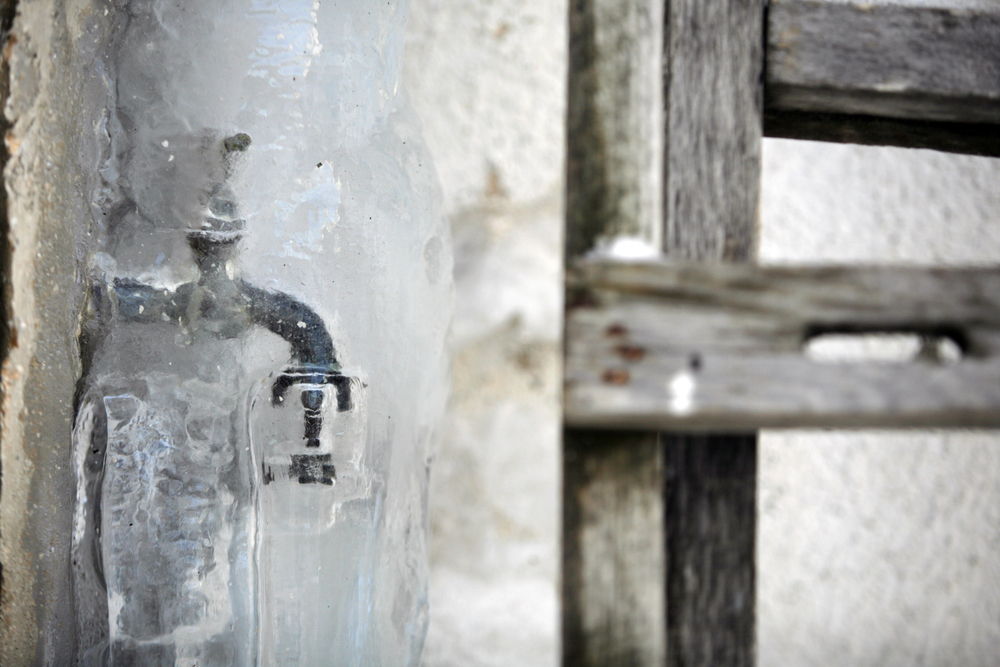
Outside taps and associated pipework are always a problem in freezing weather. Ideally, if they are unused during winter then isolate the water supply to the outside tap with an internal shut-off valve. Also, protect outside taps and exposed pipes with insulation.
Allow taps to drip
Keep one or two taps dripping in freezing temperatures. This keeps water flowing through the system and should prevent water freezing and pipes splitting due to the build-up of pressure.
Regular inspections
Ensure regular inspections are carried out on taps, cold water tanks, pipework and appliances. Do not ignore signs of water leaks as they can cause major damage to a property if left untreated – carry out repairs immediately.
Ask someone to check your holiday home
The risk (and cost) of a claim multiplies greatly once a property becomes unoccupied as damage can go undiscovered for days or weeks. Ask a neighbour or your property manager to inspect your empty holiday home regularly during severe freezing temperatures.
Early detection will help to minimise damage should your pipes freeze and burst as they begin to thaw. Also, any boiler or heating failures due to the power tripping can be identified, allowing you to take action.
Have an action plan
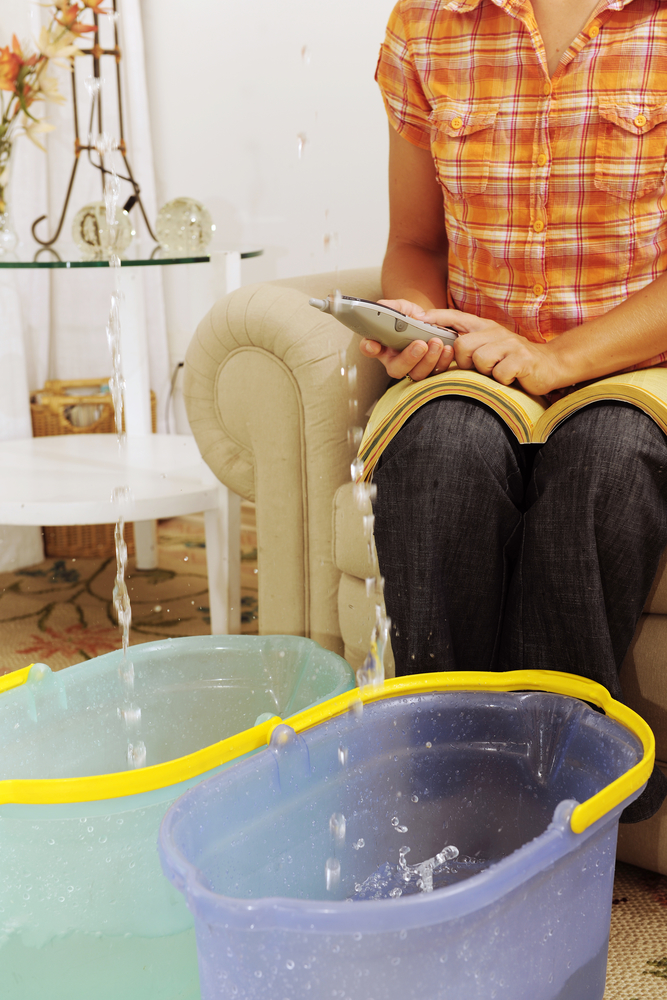
If you let out your holiday cottage, make sure you provide guests with information on how to turn off the water and who to contact if a leak is discovered (your plumber, housekeeper, agent, you etc.). Display this in your guest information folder and in a prominent position so it’s easy to locate in the event of water gushing everywhere.
Also, have a prominent notice displayed alongside your heating controls, instructing guests not to turn off the heating or turn thermostats below 10°c in the winter as this could invalidate your insurance.
How to tell if your pipes are frozen
If you can see frost/ice on a water pipe (or a bulge) or tap, they may be frozen. Not all pipes are visible, so if there’s no water coming out of a tap, or only a slight trickle, and your toilets won’t refill following a flush, that’s a good sign that you may have a frozen pipe.
If the heating fails, this may also be due to freezing pipes.
What to do if you have a frozen pipe
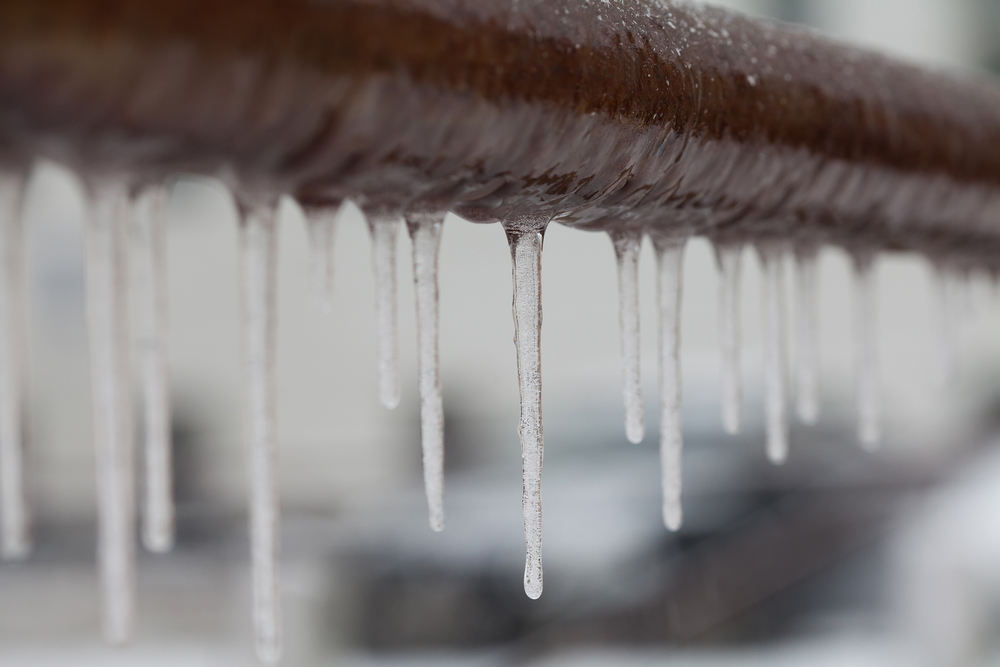
If despite taking precautions to minimise risk, the pipes in your holiday cottage do freeze, here’s what you should do to try and prevent a burst. If in doubt, always consult a registered plumbing and heating engineer for assistance.
How to thaw frozen pipes:
- Don’t panic – frozen pipes will not always burst.
- To find the frozen pipe check to see if water is flowing in all areas of the property e.g. bathrooms, kitchen and toilets. Zero, or very little water flow is an indication that you’re near the frozen area of piping.
- Turn off the water supply at the internal stop tap to limit the amount of water that could escape in the event of a burst.
- If you have a stopcock on your cold-water tank (usually found in the loft), turn this off.
- Turn off the central heating system or immersion heater.
- Check pipes for damage, look for evidence of freezing and bulges. Cracks in pipes and plumbing joints may not be noticeable because frozen water is keeping them sealed. If pipes are split, call a plumber to repair the damage.
- Open the taps nearest to the frozen pipe, so that when the frozen water thaws the water flow will release pressure.
- Have some buckets and towels on hand as there is a significant danger that as water thaws and expands, pipes could burst.
- If possible, protect or move items near where the frozen pipe is located to avoid damage if it bursts.
- Try to thaw the frozen pipe slowly and cautiously with a hot water bottle, hairdryer or towel soaked in hot water. Start from the tap end and work back. Never use a naked flame such as a blowtorch or heat gun.
- Frozen pipes that are enclosed within a wall or floor space can’t always be easily accessed. Turn the heating up and wait for the blockage to thaw.
- If your condensate boiler stops working in freezing weather, check your condensate waste pipe. It’s usually the pipe running from your boiler outside. To thaw a condensate pipe pour warm (not boiling) water over the pipe. Hopefully, this will get your boiler up and running again.
- Once you have thawed your pipes and are satisfied that there are no leaks, turn on the water supply.
- Check and double-check for signs of leaks and turn on the central heating system.
- Now take the steps listed above to prevent frozen pipes in the future.
If you fail to unfreeze pipes, if you can’t get to them or notice signs of splitting or cracks – call a plumber.
What to do if a pipe bursts
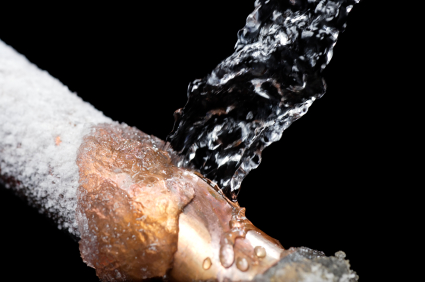
Early discovery of a burst pipe will significantly reduce the extent of damage. As soon as you discover a burst pipe you must stop the flow of water. The sooner you can stop the water, the lesser the risk of extensive damage and the size of your insurance claim.
If a pipe has burst:
- Do what’s necessary to mitigate loss or damage but proceed with caution and do not endanger yourself.
- Turn off the water supply at the internal mains stopcock.
- Drain the pipes and tanks by opening all taps and flush the toilets – making sure the bath and sinks don’t overflow.
- Turn off your central heating system and turn on the hot taps to help drain the system.
- Don’t touch any electrics that may have been affected. If a burst pipe is near any electrical switches or fuse boxes, turn the electrics off at the mains.
- Call a plumber to repair the leak immediately – to find an approved plumber use the Chartered Institute of Plumbing and Heating Engineering’s website.
- Do what you can to protect or remove anything which might get damaged by water.
- Collect water into large containers and mop up any excess water to help prevent damage.
- If the ceiling starts to bulge, if safe, carefully punch a hole to let the water escape and catch the water in buckets placed underneath.
Leaks may start slowly at first, almost unseen – but could lead to devastating damage and disruption if ignored.
Claims advice
If you are unfortunate enough to suffer damage, then here are some simple steps to assist you with your claim:
- Contact your holiday home insurer as soon as possible to report the burst pipe. The claims department should advise on the procedure and the next steps to dry out the property and repair any damage caused by the escape of water.
- Gather supporting evidence for your claim. Take photos of the damage before removing or repairing, keep damaged items, receipts and estimates for repair work.
- Where there has been significant damage to a property, a loss adjuster is usually appointed to assess the extent of the damage.
Get protected
The colder weather brings several challenges to holiday home owners. When disaster strikes, there is no substitute for comprehensive insurance. Check your holiday cottage insurance covers escape of water damage for peace of mind.
It is a condition on most policies that during the winter you must maintain a minimum temperature or turn off the water supply at the stopcock when your holiday home is left unoccupied. You may also have to drain down all water and central heating systems and inspect the property regularly.
You must ensure you comply with any winter heating warranties and unoccupancy terms outlined in your insurance policy wording, as failure to fulfil your insurance obligations could leave your holiday home uninsured for loss or damage caused by the escape of water.
If you need advice on what cover you need, and the small print to look out for, contact one of our insurance experts. The flexibility of our unoccupancy cover takes the stress out of owning a holiday home. As standard, there isn’t a requirement to drain down, leave the heating on or turn off the water.
Prevention is better than cure when it comes to burst pipes!
17 Comments
Some good tips here. We have a holiday home in France were it’s not unusual for temperatures to drop below freezing. When we leave we turn off the mains water and have antifreeze in our heating.
A good tip Jim. Some Northern parts of France are as cold as the UK in winter, which many absent owners don’t experience. Although we do have frozen/burst pipe claims in France, they are few compared to the UK. French owners seem to take more precautions to prevent burst pipes and drain down when leaving their properties unoccupied. Another tip I have read from one owner on a forum is putting salt in toilets to prevent freezing.
I learn’t the hard way last winter when (name removed by admin) didn’t pay my burst pipe claim because we left our home empty whilst we were in Spain for 3 months and didn’t tell them. Had I taken the time to turn the stopcock off I expect the damage would have been a lot less and not the disaster zone we walked into.
Sorry to hear about the claim. Most main residence insurers will extend cover if you leave your home unoccupied for over 30 days whilst travelling for example, but you must inform them first. There are also specialist insurers who give 60-90 days unoccupancy cover. Whether insured or not, turning the stop cock off can reduce the claim from tens of thousands of pounds to a couple of thousand.
An excellent compilation of tips here!
I would probably also opt to completely drain the water/heating system just to make sure if I was to leave a property unoccupied for long periods of time (when the temperatures can drop below zero). And if in a rush shutting off the supplies via the stopcock is must really.
Thanks for sharing these tips!
Draining your system is sometimes not enough, as water can remain in sections of pipe which do not drain and in the recesses of taps and valves. We have had frost damage to taps and valves making them useless and unusable the next year. You may need to use a high pressure air blower to ensure your system is truly empty. Many places in France can drop to minus 20C or more in an extreme winter. This has happened to us several times in the Pays de La Loire over the past ten years.
Thanks for your comment Adrian. Indeed many places in France drop to minus 20C or more in an extreme winter. Those who lock up and leave their properties over winter and don’t visit are usually unaware of this and return to substantial damage by burst pipes. Thanks for your tips on emptying a water system.
Thanks for the tips above. We have lived in France for 14 years and on 2 occasions have been flooded due to burst pipes. Once was as a result of a burst in a pipe running through the loft space to outside (major damage as mains was left on); the second was a central heating pipe. The insurers were great. We now leave our heating on at 8 degrees (mains water off) but the oil tank runs out. We are considering draining everything as we are away for nearly 6 months in the winter. I think we may drain everything in the future.
Hi Paul, in our experience over the years it’s unprotected pipes in the loft space that freeze, burst and cause the most damage. Draining is a sensible precaution if your property will be empty for a long period, but simply turning the mains off can reduce the extent of water damage significantly. There are some ‘smart home’ devices available that detect water leaks, have you also considered these?
We had a house in Northern France for many years. I learn’t a lot about freeze ups. When the house was renovated a plumber friend suggested using plastic plumbing not copper. This was very good advice I found. Yes drain down but beware not all systems drain completely especially in the horizontal bits etc and definately turn the water off. One year about 15 years ago there was an exceptional frost going down to minus fifteen! My neighbour in France, a Uk builder, was far away . He had copper, drained down, water off, all properly lagged etc.. Many pipes split even though there was little water in them. He believed this was because modern copper pipe is very thin which is what my plumber said. My plastic was NOT drained ( I’d forgotten) but water off. The only damage was a split emersion tank and the tap connectors were pushed off the bath taps!
Just food for thought and my experience.
Hi Phil, thanks for sharing your experience – very useful . Anti-freeze can also help as there is likely to still be some water in the system when drained. Turning the water off is essential as up to 48 bathtubs of water a day (9600 litres) can escape from a burst pipe with the water on, compared to a few hundred with the water off. Simply turning the water off can make a huge difference in reducing the amount of damage and stress caused by bursts.
In the section headed “Allow warm air to circulate unheated areas”, you mention allowing warm air to circulate in the loft. Sometimes this is a bad idea as it can cause a condensation damp problem when it condenses out on cool surfaces. Maybe a better idea to build a thermal tent over pipes and the tank/s to help keep them warm.
Thanks for your advice. Our claims experience is that during cold snaps, leaks from unheated pipes in the loft where responsible for damage in nearly every instance. Insulation, lagging and allowing warm air to circulate in the loft during prolonged sub-zero temperatures can mean the difference between water cascading through the house and a dry one.
It was 31 December 1995, at 6pm and I answered the phone. It was our rental agent phoning to say that our neighbour had seen water gushing out of the front door that afternoon. He’d turned off the water mains in the street then called the agent. When she arrived at our property she discovered (by torch light as she feared turning on the lights) 2 ceilings were down and every room had been affected by the flood. The reason (NB we had let our property out on 6 month let over winter) our tenants had gone away over Christmas & New Year, turning off the heating but not draining the water and there had been a very cold snap that week. Our plumber said this was not an unusual case and happened when a property was allowed to get cold to the core. The tenant who was an engineer said he didn’t know where the stopcock was. This despite me leaving a file of useful information including where to find the stopcock! Our rental agent said that in future she would include a requirement that minimum heating was to be maintained from October to April. The property had to be completely redecorated, ceilings repaired and carpets dried out. Welcome 1996!
Unfortunately we have dealt with many claims like this so know what you went through, it’s devastating. Although leaving the heating on can help prevent pipes freezing, those in unheated areas (e.g. the loft) can still freeze and burst. Turning off the water is the best way to minimise damage when properties are left unoccupied. It’s also essential that everyone who has access to the property knows where to turn the water off internally and externally.
Daft question?
Can you turn off the water and keep your heating on ?
It depends on whether you have a combi, cylinder boiler or storage heating, ask the heating engineer who did your installation. This is also useful https://www.telegraph.co.uk/finance/property/pictures/11286243/Is-it-okay-to-turn-water-off-at-the-mains-while-Im-on-holiday.html